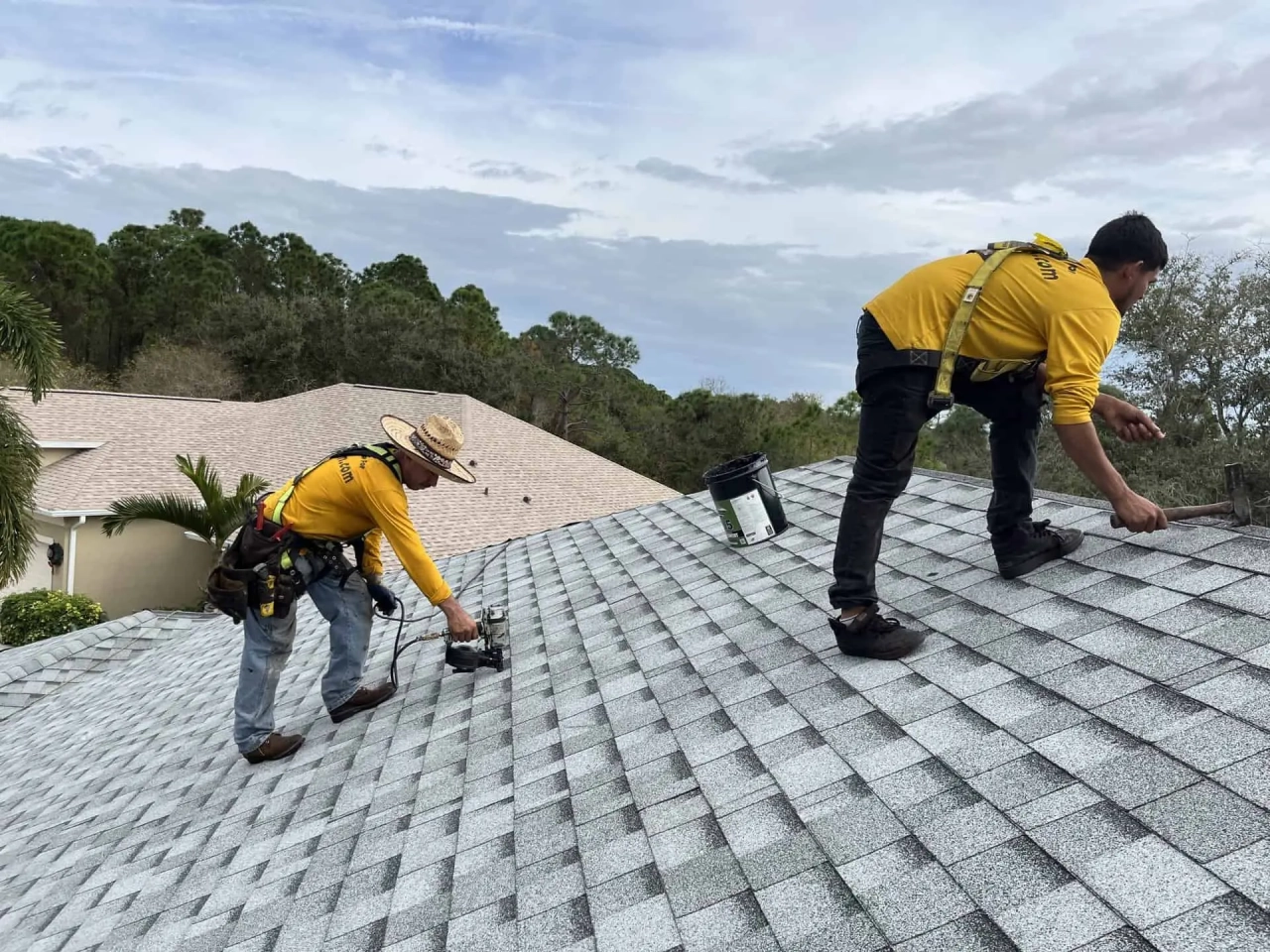
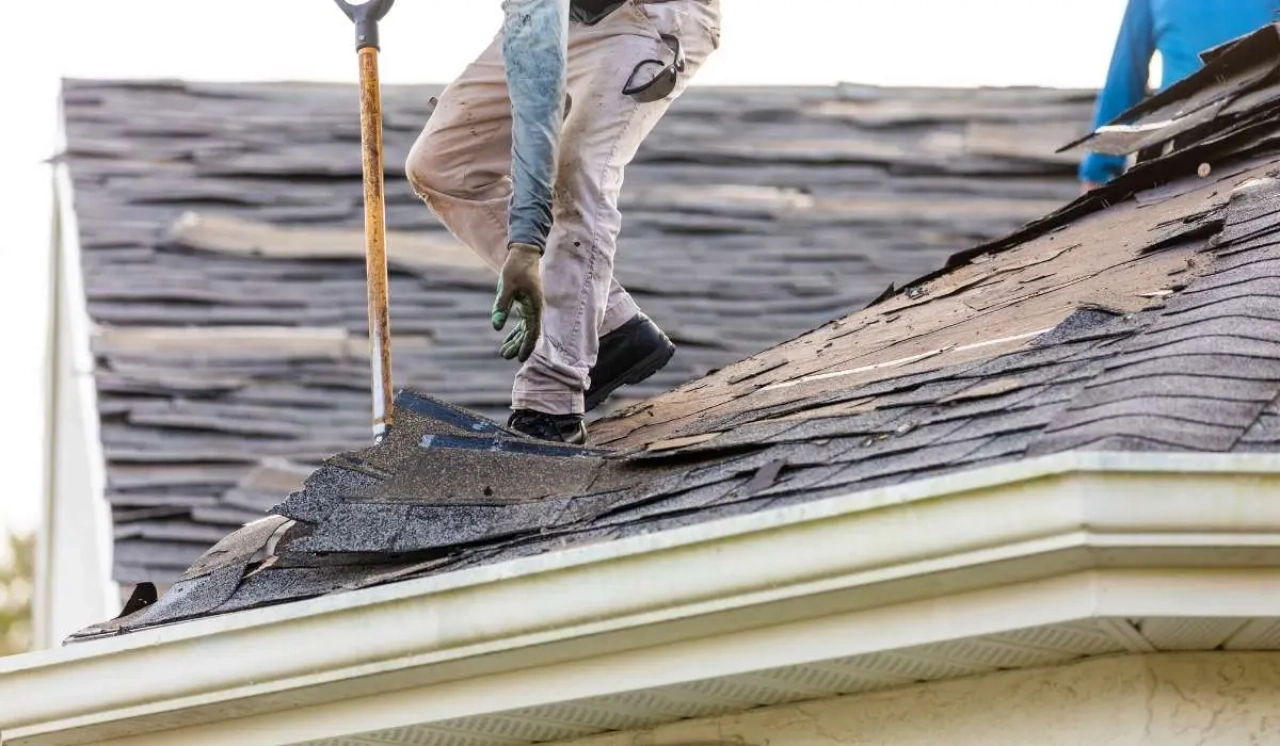
Roof issues often raise questions before they raise alarms. A small leak, missing shingles, or water staining can leave homeowners wondering what the problem means and how serious it really is. Many homeowners feel unsure whether the issue requires immediate attention or simple monitoring.
This page helps Naperville homeowners understand roof repair, when it makes sense, and what to expect before making any decisions. Clear information allows homeowners to respond thoughtfully rather than rushing into unnecessary work.
Whether you noticed a specific concern or want clarity after recent weather, understanding roof repair options helps you protect your home with confidence and control..
When Does a Roof Repair Make Sense?
Roof repair often provides an effective solution when damage affects a specific area rather than the entire roofing system. Many roofing issues remain localized and do not require full replacement when addressed promptly and correctly.
Repair makes sense when the roof structure remains sound and materials still perform as intended. Targeted repairs allow homeowners to restore protection while preserving the existing roof. This approach often reduces disruption and extends the life of the roof.
Roof repair also supports proactive home maintenance. Addressing minor issues early can prevent moisture intrusion, interior damage, and more complex repairs later. A professional assessment helps determine whether repair offers a dependable solution.
In Naperville, weather patterns and seasonal changes often contribute to gradual wear. A roofing professional familiar with local conditions can explain how these factors affect repair decisions.
Common Roof Problems Homeowners Notice
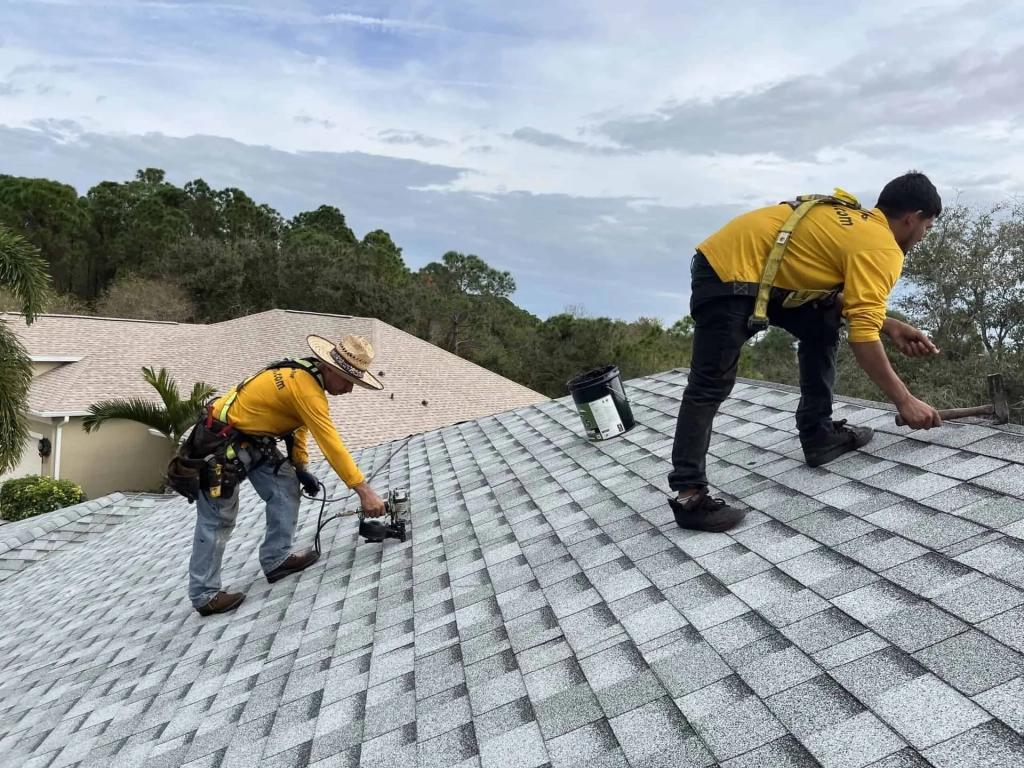
Homeowners often notice roof issues through interior signs such as water stains, discoloration, or peeling paint on ceilings and walls. These signs may indicate moisture intrusion that requires attention.
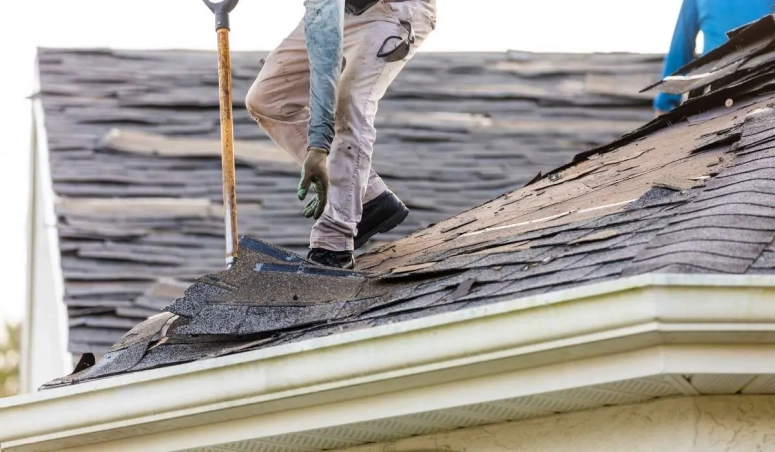
Exterior observations also raise concerns. Missing, cracked, or lifted shingles often appear after strong winds or storms. Granules collecting in gutters may signal shingle wear over time.
Issues around flashing, vents, skylights, and chimneys also prompt repair questions. These areas experience more movement and exposure, which can lead to localized leaks.
While these signs do not always indicate severe damage, they do justify a closer look. Understanding what these symptoms mean helps homeowners make informed decisions instead of guessing.
Roof Repair vs. Roof Replacement
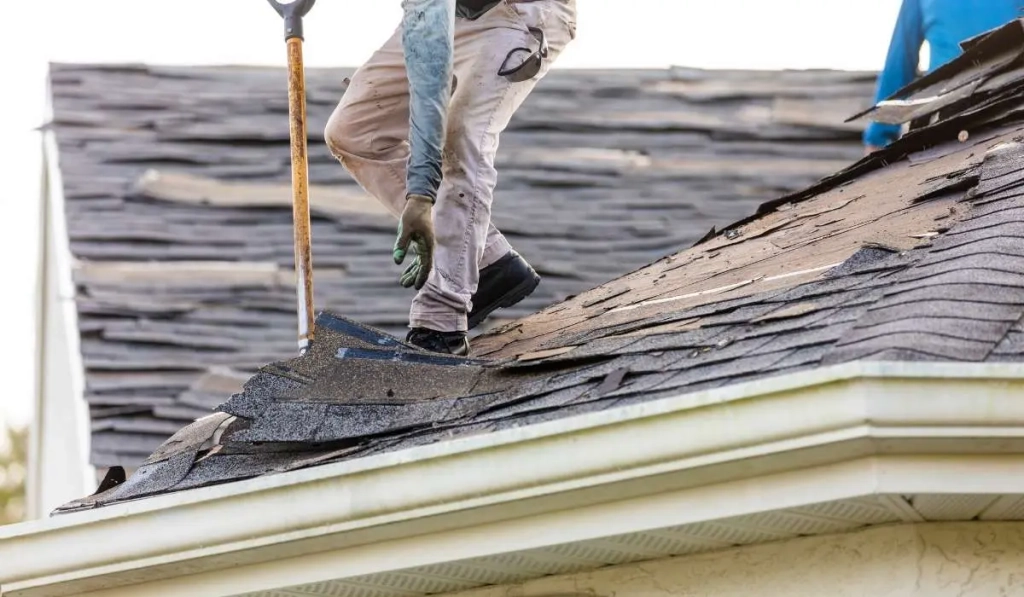
Homeowners often struggle to understand the difference between roof repair and roof replacement. Both address roofing issues, but they serve very different purposes and timelines. Knowing how they differ helps homeowners avoid unnecessary work and make decisions that fit their situation.
Roof repair focuses on correcting specific problems. Contractors repair damaged shingles, flashing, or other localized areas while leaving the rest of the roof intact. This approach works best when the roof structure remains sound and the damage stays limited.
Roof replacement involves removing and installing a new roofing system. Replacement becomes necessary when damage spreads across large sections, materials reach the end of their lifespan or repairs no longer provide reliable protection.
Understanding the difference matters because repairs should solve a problem, not delay an inevitable replacement. A professional roofing contractor should explain both options clearly and outline the pros and limitations of each.
For Naperville homeowners, weather exposure, roof age, and maintenance history all influence whether repair or replacement makes sense. Honest guidance helps homeowners plan responsibly instead of reacting under pressure.
What to Expect During a Roof Repair Inspection
A roof repair inspection focuses on identifying the source of a problem and understanding its impact. The goal involves clarity, not assumptions. A thorough inspection helps determine whether repair provides a dependable solution.
During the inspection, a roofing professional examines both exterior and interior areas. This includes checking shingles, flashing, penetrations, and roof edges, as well as reviewing attic or ceiling signs when accessible.
Contractors should explain findings in plain language and connect observations to real outcomes. Homeowners should understand what caused the issue, how the repair addresses it, and whether additional monitoring makes sense.
A clear inspection process builds trust. Homeowners leave with a better understanding of their roof’s condition and realistic expectations for repair outcomes.
Our Approach to Roof Repair in Naperville
Roof repair works best when contractors follow a methodical process instead of rushing to patch the first visible issue. Homeowners deserve clear explanations, realistic expectations, and repairs that address the root cause of the problem.
Naperville Roofing and Construction approaches roof repair in Naperville with a repair-first mindset and a focus on long-term performance. Each step below helps homeowners understand what happens during the process and why it matters.
Step 1 - Roof Repair Inspection to Find the True Source
Effective roof repair starts with finding the true source of the problem. Leaks and moisture often travel before homeowners notice stains or dripping, which means the damaged area may sit far from where symptoms appear.
During this step, we inspect shingles, flashing, vents, chimney transitions, valleys, and roof edges. We also look for patterns that suggest recurring issues, not just one-time wear. This inspection approach helps prevent repeat repairs and supports a more reliable outcome.
Step 2 - Confirming Roof Repair vs. Replacement for the Best Outcome
Not every issue benefits from repair, and not every roof needs replacement. This step focuses on determining whether roof repair offers a dependable solution based on roof age, material condition, and the scope of damage.
We explain what repair can solve, what it cannot solve, and how the rest of the roof impacts the repaired area. Homeowners receive guidance that supports smart decisions and prevents costly guesswork later.
.
Step 3 - Defining the Roof Repair Scope and Setting Clear Expectations
A professional roof repair process includes a clear scope of work. This step outlines what areas require repair, how the repair will integrate with existing roofing materials, and what results homeowners should expect.
We explain recommended materials and methods in plain language. We also set realistic expectations about timelines, access, and what the repair will address. Clear scope and expectations help homeowners feel confident before any work begins.
Step 4 - Completing Roof Repairs With Proper Integration and Detail Work
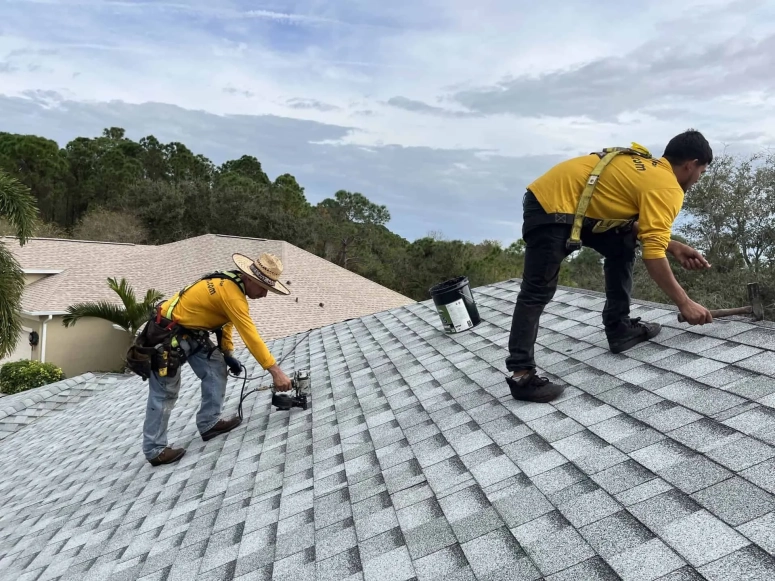
Roof repair requires precision, especially around flashing and roof penetrations. This step focuses on completing the repair in a way that restores protection and supports long-term performance.
We complete repairs with careful attention to sealing, fastening, and transitions. We avoid shortcuts that lead to recurring leaks or premature wear. Proper integration helps the repaired area perform consistently with the rest of the roof.
Step 5 - Final Roof Repair Review and Maintenance Guidance
After completing the repair, we review the repaired area and confirm that the work aligns with the scope. This step provides clarity and closure for homeowners.
We also share practical guidance on what to monitor after the repair and how seasonal weather may affect roofing systems in Naperville. Homeowners leave with a clearer plan, not just a finished repair.
Roof Repair FAQs for Naperville Homeowners
Can a roof leak be repaired, or does it always require replacement?
How long do roof repairs usually last?
Is roof repair covered by homeowners insurance in Naperville?
How quickly should roof repairs be addressed?
Will roof repairs affect future roof replacement plans?
Serving Naperville and Nearby Communities
Naperville Roofing and Construction works with homeowners throughout Naperville and surrounding areas. Our team understands local building styles, weather patterns, and common roof repair concerns specific to the region.
Working with a local roofing contractor helps ensure repair recommendations align with area conditions and long-term home performance.